
Choosing the Perfect Paint Colors for Your Walls

Choosing paint colors for your walls can feel overwhelming. The right color sets the mood, complements your furniture, and reflects your personality. But with thousands of shades available, how do you pick the perfect one? This guide will help you understand how to select paint colors that transform your space beautifully and confidently.
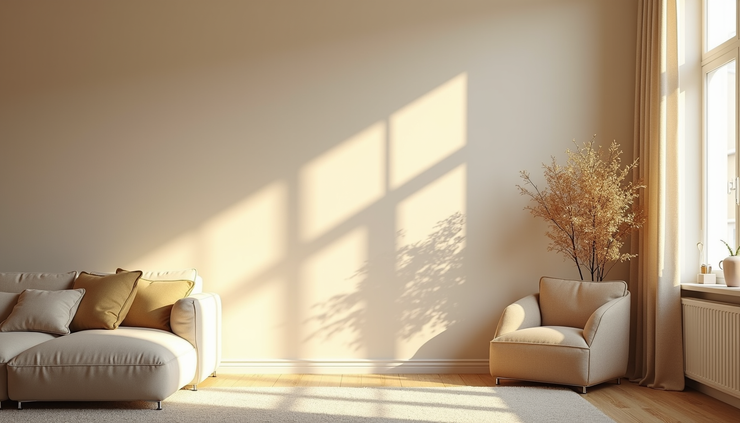
Understand the Mood You Want to Create
Paint colors influence how a room feels. Before picking a color, think about the atmosphere you want:
Calm and Relaxing: Soft blues, gentle greens, and muted grays create a peaceful vibe, ideal for bedrooms or bathrooms.
Warm and Inviting: Warm tones like creamy yellows, soft oranges, and warm taupes make living rooms and dining areas feel cozy.
Energetic and Vibrant: Bright reds, bold yellows, or rich purples add energy to kitchens or creative spaces.
Neutral and Versatile: Whites, off-whites, and light grays provide a clean backdrop that works with any décor style.
Knowing the mood helps narrow down your choices and makes the decision easier.
Consider the Room’s Lighting
Lighting changes how paint colors look. Natural light, artificial light, and the direction your windows face all affect color perception.
North-facing rooms get cooler, indirect light. Warm colors like soft yellows or warm grays work well here.
South-facing rooms have bright, warm light. Cooler colors like blues and greens balance the warmth.
East-facing rooms get morning light, which is bright and warm. Soft pastels or light neutrals suit these spaces.
West-facing rooms receive strong afternoon light, which can make colors appear warmer and more intense.
Test paint samples on your walls and observe them at different times of the day to see how lighting affects the color.
Match Paint Colors with Your Furniture and Decor
Your walls should complement your existing furniture and décor. Look at the dominant colors in your room:
If your furniture has bold colors, choose neutral or soft wall colors to avoid clashing.
For neutral furniture, you can experiment with stronger wall colors to add personality.
Use the color wheel to find complementary or analogous colors that harmonize well.
Consider the style of your room. Traditional rooms often suit warm, classic colors, while modern spaces can handle cooler or more daring shades.
Choose the Right Finish for Your Walls
Paint finish affects both appearance and durability. Here are common finishes:
Matte: Non-reflective, hides imperfections, good for low-traffic areas.
Eggshell: Slight sheen, easy to clean, suitable for living rooms and bedrooms.
Satin: Smooth and durable, great for kitchens and bathrooms.
Semi-gloss: Shiny and moisture-resistant, ideal for trim and high-use areas.
Glossy: Very shiny, highlights details, often used for doors and cabinets.
Pick a finish that fits the room’s function and your maintenance preferences.
Use Color Samples and Test Before Committing
Paint colors can look different on a small chip than on a full wall. Always test samples:
Paint large swatches on different walls.
Observe the colors in natural and artificial light.
Live with the samples for a few days before deciding.
This step prevents costly mistakes and ensures you love the final look.
Popular Paint Color Trends to Consider
While timeless colors never go out of style, some trends can inspire your choice:
Earthy tones: Warm browns, terracotta, and olive greens bring nature indoors.
Soft pastels: Light pinks, blues, and lavenders add subtle color without overwhelming.
Deep jewel tones: Emerald, sapphire, and amethyst create dramatic, elegant spaces.
Greige: A mix of gray and beige, greige is versatile and modern.
Choose trends that suit your taste and home style rather than following them blindly.
Tips for Painting Different Rooms
Each room has unique needs when it comes to paint colors:
Living Room: Choose warm or neutral colors that encourage relaxation and socializing.
Kitchen: Bright, clean colors like whites, yellows, or light blues work well.
Bedroom: Soft, calming colors promote rest and comfort.
Bathroom: Light colors and moisture-resistant finishes keep the space fresh.
Home Office: Colors that boost focus, such as soft greens or blues, help productivity.
How to Coordinate Accent Walls and Trim
Accent walls add interest without overwhelming the space. Choose a color that contrasts or complements the main wall color. For example:
A deep navy accent wall with light gray walls.
A rich forest green accent with soft beige walls.
Trim and moldings usually look best in crisp white or a slightly lighter/darker shade than the walls. This frames the room and adds definition.


Comments